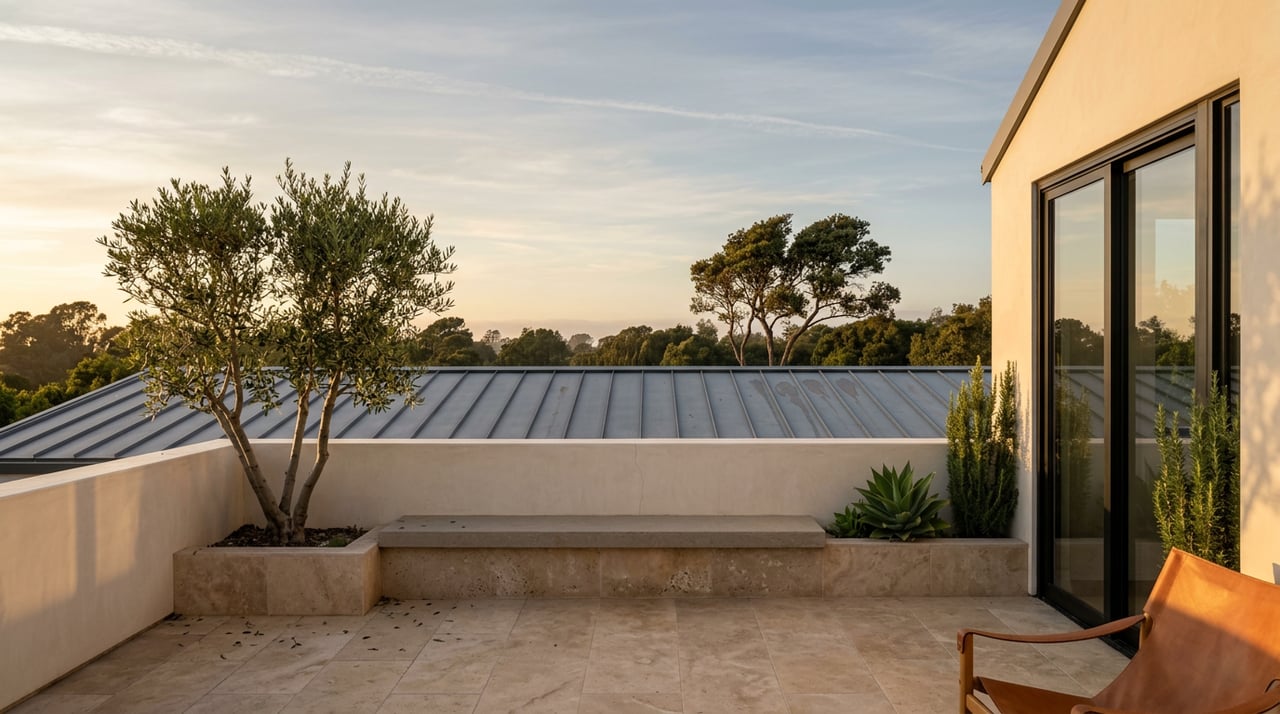
Cardiff-by-the-Sea's Real Price Line Isn't the Beach. It's the Hillside.
September 17, 2026
September 17, 2026
Two homes in the same 108-unit gated community. Similar square footage. Same clubhouse, same lagoon-and-ocean-view pool, same seven-minute drive to Seaside Market. One sold for $713 a square foot. The other sold for $1,033 a square foot, twenty months later, in the same small pocket of Cardiff called Sandy Point.
That gap is not inflation. It is not a fluke of timing. It is the clearest evidence available that in Cardiff-by-the-Sea, the number that actually sets a home's price has never been distance to the water. It is elevation.
Anyone shopping Cardiff arrives with a mental model borrowed from every other beach town: closer to the sand costs more, farther away costs less. It is a reasonable assumption almost everywhere on the California coast. It is the wrong model here.
Cardiff's geography breaks the rule in a specific, checkable way. The town's hillside neighborhoods, the Composer District and the Walking District, sit entirely west of Interstate 5, climbing from Birmingham Drive on streets named for composers like Chopin, Gershwin, and Vivaldi. Every home in those districts is objectively close to Cardiff State Beach, a walk of ten to twenty minutes depending on which street you're on. And yet prices inside those same two districts vary enormously, street to street and even house to house, because the beach walk is constant while the view is not.
The reason is stacking. Cardiff's hillside streets climb in rows, and each row of houses sits slightly higher than the one in front of it. A home two streets up from the water can look over the roofline ahead and catch open whitewater. A home one street closer to the sand, at a slightly lower point in the same row, can be blocked entirely. Proximity did nothing for that second house. Elevation did everything for the first.
If elevation alone explained Cardiff pricing, you would expect the pattern to hold only on the west side, where the hillside climbs toward the ocean. Sandy Point exists specifically to test that assumption, and it fails it.
Sandy Point sits east of Interstate 5, on a bluff above the San Elijo Lagoon. By straight-line distance to the Pacific, it is farther from the water than almost anything in the Walking District. It should, by the closer-is-pricier logic, be the value play. Instead, it is one of Cardiff's most consistently sought-after addresses, because the bluff does for Sandy Point exactly what the hillside stacking does for the Composer District. Height above the lagoon, not distance to the surf, is what opens the sightline.
Four recent sales inside this one small community show how far that premium runs:
| Address | Sold | Sq Ft | Price | Price/Sq Ft | View |
|---|---|---|---|---|---|
| 2208 Wales Dr | May 2019 | 1,916 | $1,260,000 | $658 | Ocean and sunset views, single level |
| 1145 Lagoon View Ct | Nov 2020 | 2,787 | $2,000,000 | $718 | Bluff-top, sweeping whitewater ocean and lagoon views |
| 2306 Lagoon View Dr | Apr 2023 | 2,245 | $1,600,000 | $713 | Lagoon, greenbelt, and park views only, no ocean |
| 2207 Lagoon View Dr | Dec 2024 | 2,613 | $2,700,000 | $1,033 | Perched on one of Cardiff's highest points, panoramic ocean and sunset views |
Look at the last two rows. Both homes sold within twenty months of each other, in the same tiny gated community, at comparable square footage. One had a lagoon and greenbelt view. The other sat on what its listing called one of Cardiff's highest points, with full ocean and sunset exposure. The price-per-square-foot gap between them is 45 percent. That is not a market moving. That is a sightline being priced.
Buyers sometimes assume that a lower or blocked home can catch up later, that a second story or a remodel will eventually open the view. Cardiff's own governing land use document says otherwise, and buyers evaluating a property here should read it before assuming anything about future upside.
The Cardiff-by-the-Sea Specific Plan, adopted by the city of Encinitas, explains why the neighborhood's views exist in the first place. Unlike beach towns that build right up to the highway, the plan notes that Cardiff "is set back on the sloping terrain east of San Elijo Avenue," which is precisely what leaves an open view corridor from the hillside down to the Pacific. The plan goes further, setting explicit goals to limit building height and to create corner setback standards specifically so that "visual sight lines are maintained." Landscaping within designated view corners is capped at three feet for the same reason.
In practice, that means a home sitting lower on the hillside cannot simply add a floor to compete with the house above it. The entire regulatory structure exists to protect the sightlines of homes that already have them. A buyer weighing two comparably priced Cardiff listings, one with a partial view and one with none, should treat the height-limited, view-protected upper home as the scarcer asset, because the town's own planning code makes it functionally permanent.
The full Encinitas Local Coastal Program, certified by the California Coastal Commission, governs any exterior change to a home in the coastal zone, which covers essentially all of Cardiff. A remodel that touches height, massing, or rooflines will draw review specifically for its effect on neighboring view corridors, not just its own footprint.
Anyone who has pulled up two different market snapshots for Cardiff in the same season and found two different numbers is not looking at an error. A July 2026 aggregation placed the neighborhood's median home price at roughly $2.24 million. A separate three-month window ending in August 2026 put the median at $2.7 million, up 7.7 percent from the same period a year earlier.
Both can be accurate at once, because Cardiff sells so few homes that its median is fragile by construction. Thirty-five homes changed hands there in August 2026. Encinitas as a whole, of which Cardiff is a part, was carrying only around 120 active listings citywide with roughly 2.4 months of supply, a tight seller's market by any measure. When a market trades in the dozens rather than the hundreds each month, one or two hillside ocean-view closings can pull the median hundreds of thousands of dollars in either direction, purely because of which specific houses happened to sell that quarter.
That is the practical lesson underneath the statistic. A published Cardiff median tells you almost nothing about what any specific parcel is worth. What tells you something is where that parcel sits on its street, relative to the row in front of it, and whether the sightline it currently has is one the city's own view-corridor rules will protect.
Given how much of Cardiff's value sits in elevation rather than address, a buyer evaluating a specific listing gets more useful information from a few pointed questions than from the neighborhood name on the listing sheet.
Homes here routinely sell for close to full asking price and move in under a month, so there is rarely time to negotiate your way into these answers after the fact. Getting them before you tour is the only way to know if you are paying for a Cardiff address or a Cardiff view.
Does the Walking District always outrank the Composer District on price? Not by district name alone. Both sit on the same hillside system west of I-5, and within each district, elevation and row position matter more than which district you're technically in.
If I buy a lower-elevation home, can I eventually build up to get the view? Possibly not. The Specific Plan's height limits and view corridor setbacks exist specifically to protect the sightlines of homes already positioned above you, so any addition will be reviewed against that standard first.
Is Sandy Point a reasonable alternative if hillside inventory west of I-5 is too thin? It can be, particularly for buyers who value the gated setting and don't mind trading walkability for a short drive to Cardiff's restaurants and Seaside Market. The bluff does the same work the hillside does elsewhere in town, just from the other side of the freeway.
Cardiff rewards buyers who read a listing the way a surveyor would, not the way a portal search does. If you're comparing specific parcels here and want a read on what a given elevation and sightline are actually worth before you make an offer, Agency West knows this hillside street by street. Book a Private Consultation and we'll walk the comps with you before you walk the property.
Stay up to date on the latest real estate trends.

Explore how art, architecture, natural light, materials, and indoor-outdoor living can shape the experience of Southern California luxury homes.
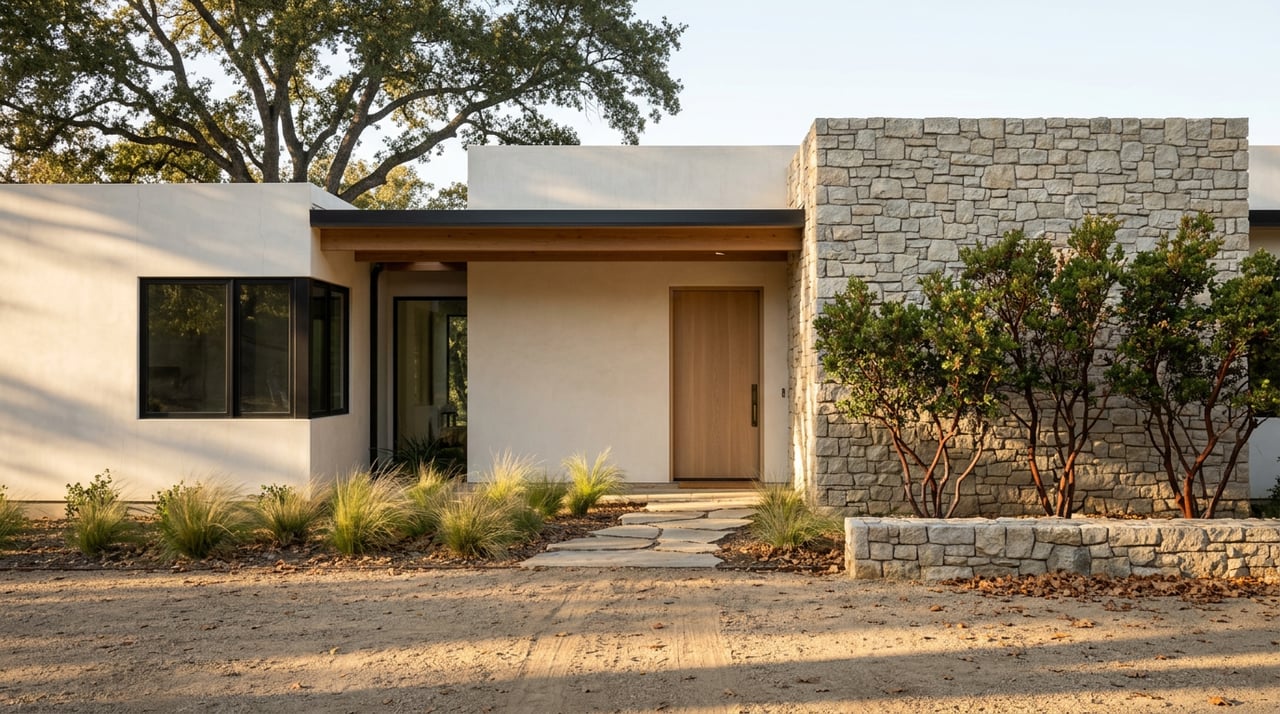

Explore what to consider beyond price when buying a luxury home, from architecture and privacy to location, land, and lifestyle fit.
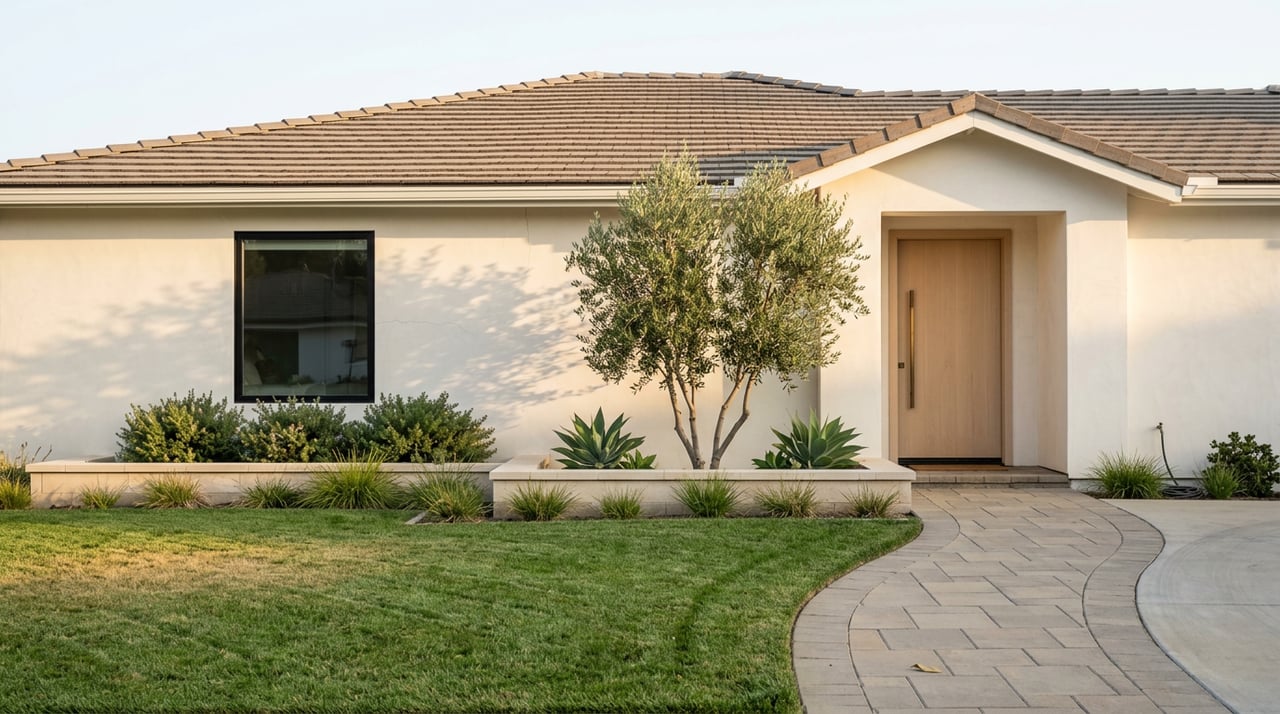
How Mello-Roos taxes split Carlsbad into two cost tiers, from Bressi Ranch and La Costa to Aviara and the Village, and what it means for your 2026 monthly payment.
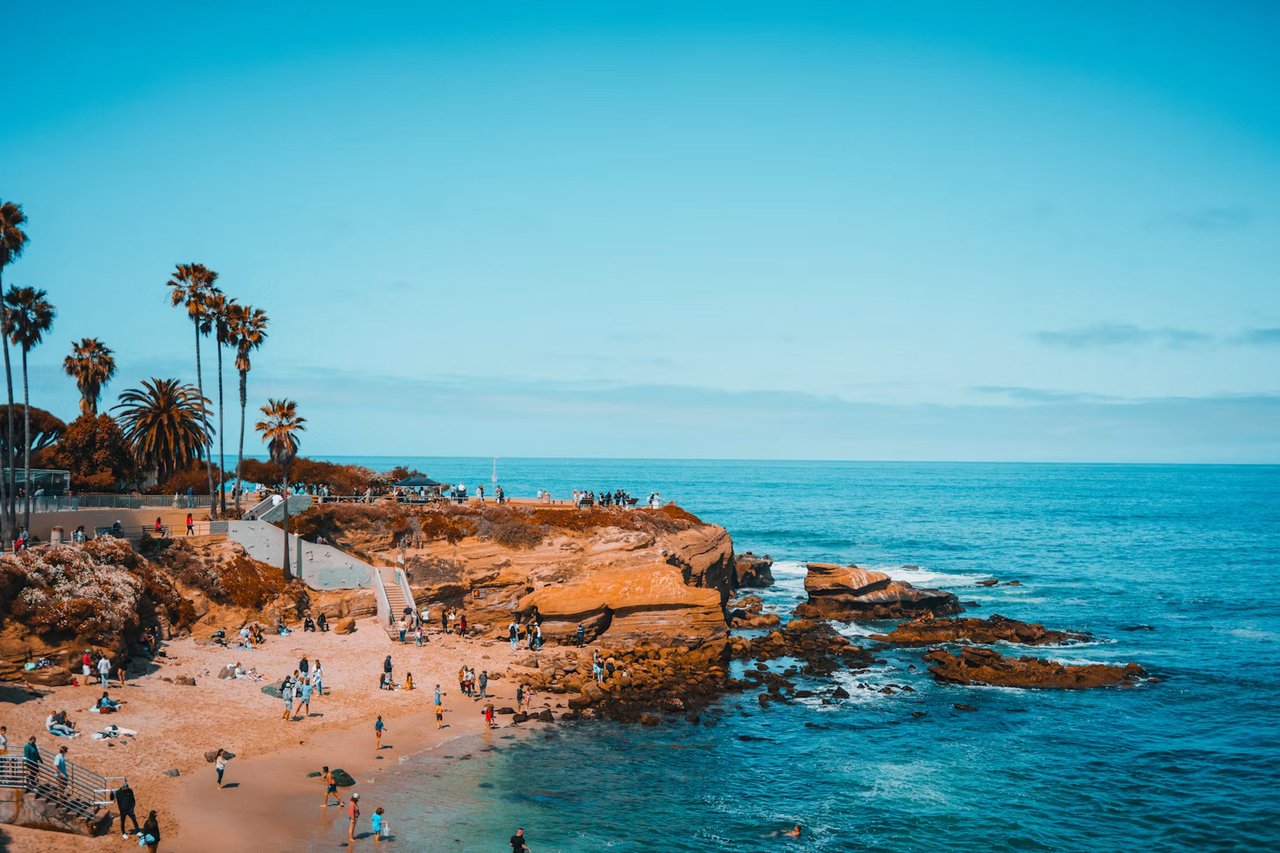
Explore coastal living in Del Mar, Solana Beach, and Coronado and discover what makes each San Diego community unique.
How summer 2026 in San Marcos runs on three weeknight anchors: Live at the Lake, the Wood House concert series, and North City's Tuesday rhythm.

Learn how thoughtful preparation and strategic positioning can help showcase your home's unique character before it goes on the market.
Our team is ready to listen, strategize, and provide the support you need for a successful journey. Let’s start a conversation, understand your vision, and work together to achieve results that exceed expectations.

Agency West
16950 Via De Santa Fe Ste 5060-168
Rancho Santa Fe CA 92067
Contact Broker-of-Record
Hilary Saunders
Corporate License No. 02014153
[email protected]