La Jolla Condos Vs Estates: Finding Your Best Fit
May 25, 2026
May 25, 2026
If you are deciding between a condo and an estate in La Jolla, the right answer usually comes down to how you want to live, not just what you want to spend. In a coastal market where land is limited and location can shape everything from privacy to future flexibility, that choice deserves a closer look. By the end of this guide, you will have a clearer way to weigh price, maintenance, control, and lifestyle in one of San Diego’s most established luxury communities. Let’s dive in.
La Jolla is not a market with endless room to grow. The City of San Diego notes that the community is about 99 percent built out, which means most opportunities come from resale inventory, infill, and redevelopment constraints rather than large amounts of vacant land.
That matters when you compare condos with detached estates. In a place shaped by coastline, hillsides, canyons, and a compact Village core, exact location can carry major weight. A short distance can change your access to the beach, your privacy, your outlook, and your long-term options for the property.
For many buyers, the first major difference is price. According to SDAR’s March 2026 update for ZIP code 92037, the year-to-date median sales price was $3.5 million for detached homes and $1.285 million for attached homes.
That means attached homes were about 63.3 percent below detached homes at the median. The same report shows attached inventory moving faster, with 43 days on market year to date compared with 52 days for detached homes. If you want a La Jolla address at a lower entry point, condos often create that opening.
In California, a condo is a legal ownership form, not just a building style. The California Department of Real Estate explains that in common interest developments, owners hold a separate interest along with a shared interest in common areas that are owned or controlled by the homeowners association.
In practical terms, that usually means you own your interior space and share responsibility for certain exterior areas, systems, or amenities through the HOA. You may give up some autonomy over the property, but you also gain a more structured maintenance model.
For many buyers in La Jolla, that trade can feel worthwhile. If you want a lock-and-leave residence, a lower-maintenance setup, or a home near the Village or shoreline, a condo can align well with that lifestyle.
A detached home often offers the clearest path to direct control. In a standard detached subdivision, the land and building are owned by one homeowner, and there may be no common area at all.
Still, detached does not always mean association-free. The California Department of Real Estate also notes that some detached-looking neighborhoods are planned developments with HOA-owned property, private streets, or amenities such as pools and clubhouses.
That is why the better question is not simply condo versus house. It is how much of the property is under your control, how much is shared, and where maintenance responsibility truly sits.
Condos usually involve more shared space and more formal rules. Hallways, lobbies, elevators, parking areas, and amenity spaces can all be governed by the HOA, along with design standards and use restrictions.
If you value simplicity, this structure may feel helpful rather than limiting. If you want broad freedom to alter the property or more separation from neighbors, it may feel less flexible.
Detached estates usually provide more privacy and more ability to shape the property over time. You are more likely to have private outdoor space, greater physical separation, and more direct say over the site itself.
In La Jolla, though, even estate owners need to think beyond the lot line. Coastal overlays, height limits, and permit paths can all influence what you can change in the future.
One of the biggest advantages of condo ownership is shared maintenance. HOA budgets and reserve systems typically support common-area care, building upkeep, and certain shared services.
California law requires annual budget reporting, reserve summaries, reserve-funding disclosures, and statements about possible special assessments. For you as a buyer, that means the HOA paperwork is not just administrative reading. It is part of understanding the real condition and cost of ownership.
With an estate, more responsibility usually rests with you. Exterior upkeep, landscaping, repairs, and long-term capital planning may all be more direct homeowner obligations unless the property is within a planned development that provides some shared services.
That can be a benefit if you want more control over materials, timing, and priorities. It can also mean higher time demands and more moving parts, especially for part-time owners.
In La Jolla, views are part of the decision. The City of San Diego states that projects in the Coastal Overlay Zone may require a Coastal Development Permit before a construction permit is issued, and the Coastal Height Limitation Overlay Zone generally limits buildings in the coastal area between the Pacific Ocean and Interstate 5 to 30 feet.
For condo buyers, that may affect how a building was designed and what future changes are possible. For estate buyers, it can shape renovation plans, additions, rebuild potential, and even the long-term story of a view corridor.
If future customization matters to you, it is worth reviewing the zoning history, overlay status, and applicable height limits before you commit. In La Jolla, flexibility is often highly address-specific.
If walkability is high on your list, many buyers begin in the Village or La Jolla Shores. The city defines the Village core around Prospect Street, Girard Avenue, and Torrey Pines Road, while the La Jolla Shores Planned District includes commercial, visitor-serving, and residential areas.
That is one reason condos are often strong contenders in these parts of La Jolla. If you picture an easy path to dining, shops, and the beach, attached living may place you closer to those daily experiences.
Detached estates can offer a different kind of appeal. Depending on the address, you may gain more space, more privacy, and a stronger sense of retreat while still remaining within La Jolla.
Because La Jolla is nearly built out, those attributes often come at a premium. In this market, land, siting, and privacy are often part of what you are really buying.
A condo may be the better practical fit if you are looking for:
The exact experience can vary widely from one building to the next. Amenities, services, dues, and rules should always be reviewed at the project level.
An estate may be the better fit if you are looking for:
That said, some high-end detached properties still sit within planned developments or HOAs. Before you assume a property has no rules or dues, confirm the ownership structure and community documents.
No matter which direction you lean, a few details deserve close attention in La Jolla.
California law requires sellers in common interest developments to provide governing documents, annual budget materials, current assessment information, notices of unresolved violations, and, if requested, the last 12 months of approved board minutes. The disclosure package must also identify any rental prohibitions in the governing documents.
If you are considering a condo, this review is essential. It can affect your monthly costs, your use of the property, and your future plans if you may want to rent the home later.
California also requires a reasonably competent visual reserve study at least once every three years for applicable associations, with annual review and disclosures about deferred repairs or possible special assessments. This is one of the clearest windows into a building’s financial health.
In a coastal market, reserve strength matters. Deferred maintenance, underfunded reserves, or looming projects can change the true cost of ownership very quickly.
The annual budget report must summarize reserve information, possible special assessments, association loans, and the association’s property, general liability, earthquake, flood, and fidelity insurance policies. The law also warns that association insurance may not cover a unit owner’s personal property or improvements around the dwelling.
That is important for condo buyers in particular. You want to know where the association’s coverage stops and where your own policy needs to begin.
If you are buying with remodeling, adding on, or rebuilding in mind, investigate the property’s zoning and overlay status early. In La Jolla, the community plan, Local Coastal Program, planned-district rules, and coastal overlays can all affect what is feasible.
This matters for estates, but it can matter for condos too if you are planning interior changes that intersect with HOA rules or building systems. A beautiful property is only part of the story. The long-term use case matters just as much.
In simple terms, condos usually win on convenience, shared maintenance, and easier access to walkable coastal living. Estates usually win on privacy, land, and the ability to shape the property more directly over time.
In La Jolla, though, the smartest choice is rarely abstract. Because the community is nearly built out and the regulatory environment is layered, the right fit often comes down to the exact address, the ownership structure, the HOA package, and the property’s future flexibility.
If you want a residence that feels effortless and close to the Village or beach, a condo may be the stronger match. If you want privacy, control, and room to personalize, an estate may justify the premium.
A thoughtful comparison can save you from buying the wrong lifestyle. If you want tailored guidance on how a specific La Jolla condo, detached home, or estate aligns with your goals, connect with Agency West for a private consultation.
Stay up to date on the latest real estate trends.
A resident's guide to how the 2026 Del Mar summer actually runs, from the new Friday post time and the August 22 Pacific Classic to three new dinner rooms on Camino De… Read more

How innovation, data, and personalized service are elevating the modern luxury buying and selling experience.
Discover what luxury feels like in Cardiff-by-the-Sea, from ocean views to walkable coastal living, and explore what sets this market apart.

Coronado remains one of San Diego’s most treasured coastal markets. Explore what’s trending in 2026 and why it continues to captivate buyers and investors alike.
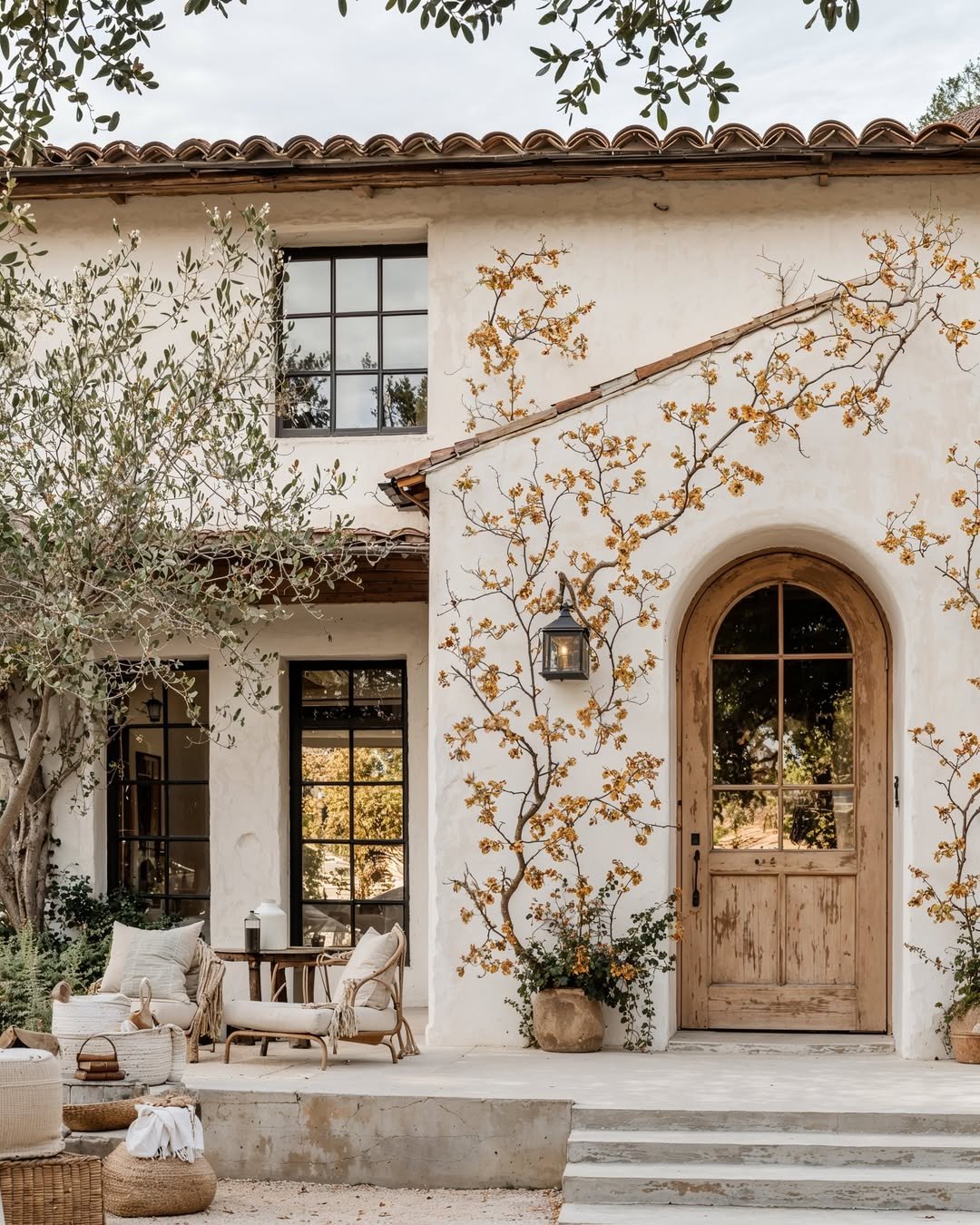
Discover why international buyers continue investing in Southern California luxury real estate, from Rancho Santa Fe and Del Mar to Coronado's most desirable communiti… Read more
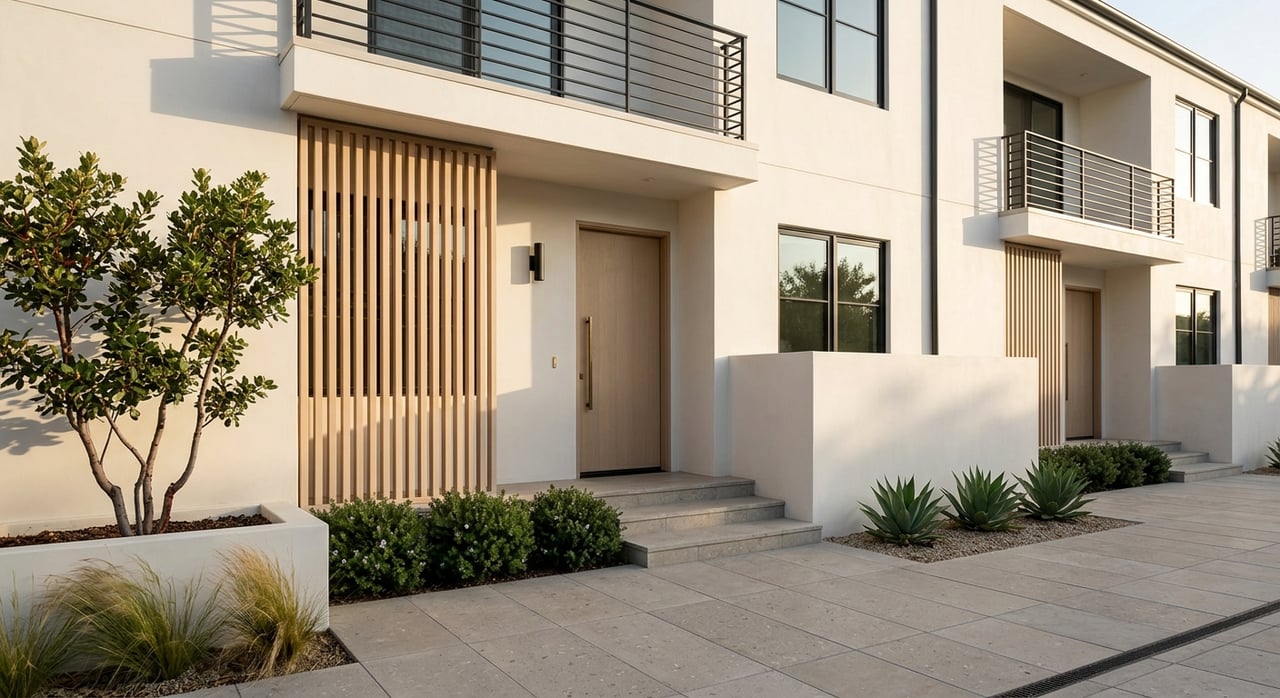

Explore how today’s luxury homes in Rancho Santa Fe are evolving into multifunctional hubs for work, wellness, creativity, and intentional living.
Our team is ready to listen, strategize, and provide the support you need for a successful journey. Let’s start a conversation, understand your vision, and work together to achieve results that exceed expectations.

Agency West
16950 Via De Santa Fe Ste 5060-168
Rancho Santa Fe CA 92067
Contact Broker-of-Record
Hilary Saunders
Corporate License No. 02014153
[email protected]