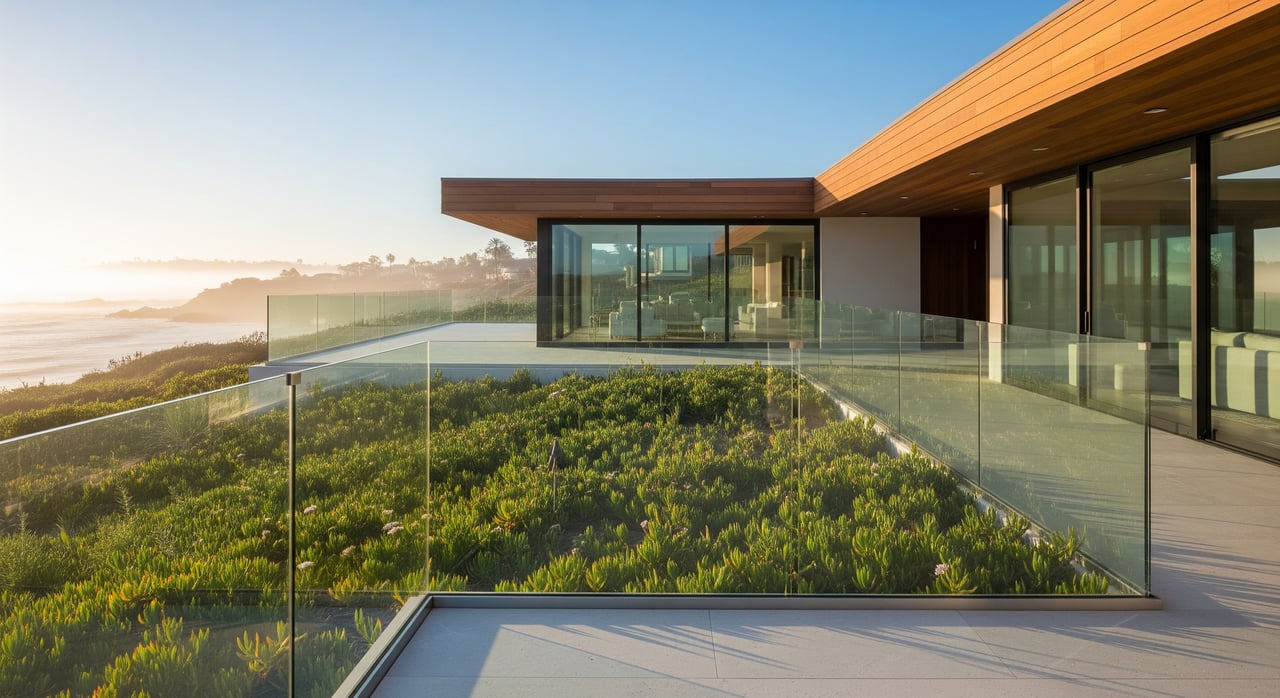
North County Microclimates: A Homebuyer’s Guide
December 4, 2025
December 4, 2025
Mornings in Encinitas can feel like two different worlds. Near the beach, a cool marine layer keeps the air soft and the light diffused. A few miles inland, the sun is bright and the afternoons run warmer. If you are deciding where to buy, these local microclimates shape your comfort, your maintenance routine, and even your energy bills. This guide shows you what to expect in coastal Encinitas versus nearby inland North County, plus the materials, systems, and inspection tips that help your home perform beautifully. Let’s dive in.
Encinitas sits on the edge of the Pacific, so the ocean sets the tone. In late spring and early summer, the marine layer often brings morning clouds and fog, a pattern many locals call June Gloom. You get cooler mornings, smaller day-to-night temperature swings, and regular afternoon sea breezes near the coast.
Move inland toward valleys and basins in areas like Vista, San Marcos, or Escondido, and you feel the difference. Onshore breezes fade, daytime highs climb, and the day-to-night swing grows. Local hills, canyons, and slope direction add nuance. North-facing slopes and canyon floors keep moisture and fog longer. South-facing slopes get more sun and run warmer. Elevation matters too, with ridge tops tending to be slightly cooler than valley floors.
Coastal Encinitas usually has milder summers and lower peak cooling needs. Many homes near the beach run smaller systems or use AC fewer hours each year. Inland homes face hotter summer peaks and typically need larger-capacity AC with more frequent use. Heating needs are modest throughout North County compared with many parts of the country.
The marine layer can soften morning light and delay direct sun until midday near the coast. This can influence your morning routines, garden timing, and how much passive solar warmth you get through windows. Inland areas enjoy more consistent morning sun, especially on south and west exposures.
Salt in the air near the ocean accelerates corrosion on metals. Exterior door hardware, railings, fasteners, and exposed HVAC components can age faster. Paint, sealants, and finishes on coastal homes may need attention more often, especially on ocean-facing elevations. Shaded coastal canyons hold moisture longer, which can create mildew or mold risk in poorly ventilated spots. Inland, the drier air reduces that moisture risk but can lead to wood shrinkage or splitting.
Coastal humidity and mild winters support year-round activity for some pests, including termites and mildew. Inland summer heat can push rodents and some insects to seek cooler interiors. For landscaping, ocean-facing properties benefit from salt-tolerant plant choices, while inland yards can support a wider range of species but often need more irrigation.
On the coast, prioritize finishes that stand up to salt and moisture. Stainless steel, hot-dipped galvanized, or coated hardware is a smart baseline. Fiber-cement siding, well-detailed stucco, and quality composite claddings perform well. Untreated wood requires more care. Expect shorter repaint cycles at the immediate coast, so favor high-durability paints and sealants.
Class A roofing materials like composite shingles, tile, or metal are common and durable. The key near the coast is corrosion-resistant flashing and roof edges, plus good attic ventilation to handle moisture under marine layer conditions. Keep gutters clear and watch for salt buildup and debris that can trap moisture.
Look for double-pane low-e windows to cut heat transfer and improve comfort in both coastal and inland settings. Vinyl and fiberglass frames resist corrosion and hold performance over time. In coastal zones, check window seals for fogging, inspect locks and tracks for corrosion, and confirm that weep holes and drainage paths are clear. Operable windows and screens help manage the change from cool mornings to sunny afternoons.
In fog-prone canyons or shaded coastal areas, well-graded drainage, a proper vapor barrier, and controlled crawlspace ventilation are essential. You want assemblies that manage moisture without trapping it. In all microclimates, look for clean attic insulation, adequate ventilation, and sound air sealing.
Coastal homes in Encinitas often need less cooling capacity. Oversizing can cause short cycling and poor dehumidification. A high-efficiency mini-split heat pump or a properly sized central heat pump works well and covers both heating and cooling needs. Inland homes benefit from central heat pumps or central AC with capacity sized for summer peaks and ductwork designed for airflow and comfort.
Duct sealing and insulation matter everywhere. In coastal attics that see humid air, insulation helps prevent condensation on ducts. In tighter homes, consider balanced mechanical ventilation to manage moisture and improve indoor air quality while preserving efficiency.
Low-e double-pane windows are a must in both settings. Inland, add exterior shading on south and west exposures to tame afternoon heat and lower cooling loads. In Encinitas, the marine layer cuts early solar gain, but midday sun still matters, so operable shading and smart landscaping are useful. Pair that with proper attic insulation and ventilation. In hotter inland zones, radiant barriers can further reduce attic heat gain.
Solar performs well across San Diego County. Marine layer mornings reduce instantaneous output on some days, but annual production remains strong for most coastal installations. If you install near the coast, choose corrosion-resistant racking, stainless hardware, and sealed conduits to protect your system.
Use this quick checklist when comparing a coastal Encinitas home with an inland North County option.
Key questions for sellers and neighbors:
Trade-offs to weigh:
Coastal Encinitas
Inland North County (Vista, San Marcos, Escondido, inland Carlsbad)
If you thrive on cool mornings, ocean air, and evening breezes, coastal Encinitas may feel perfect. Plan for a disciplined exterior maintenance routine and corrosion-resistant materials to keep your home crisp. If you prefer warm, sunny mornings and consistent daylight for gardens or solar, an inland setting can deliver, with attention to shading, insulation, and efficient cooling.
Either way, you can tune a home to the microclimate with the right windows, HVAC, and finishes. The result is comfort, lower operating costs, and a property that ages gracefully.
If you want tailored guidance on neighborhoods, property fit, and the improvements that matter most for your goals, connect with the team at Agency West. Book a Private Consultation and we will help you compare options with clarity and discretion.
Stay up to date on the latest real estate trends.

Explore what to consider beyond price when buying a luxury home, from architecture and privacy to location, land, and lifestyle fit.
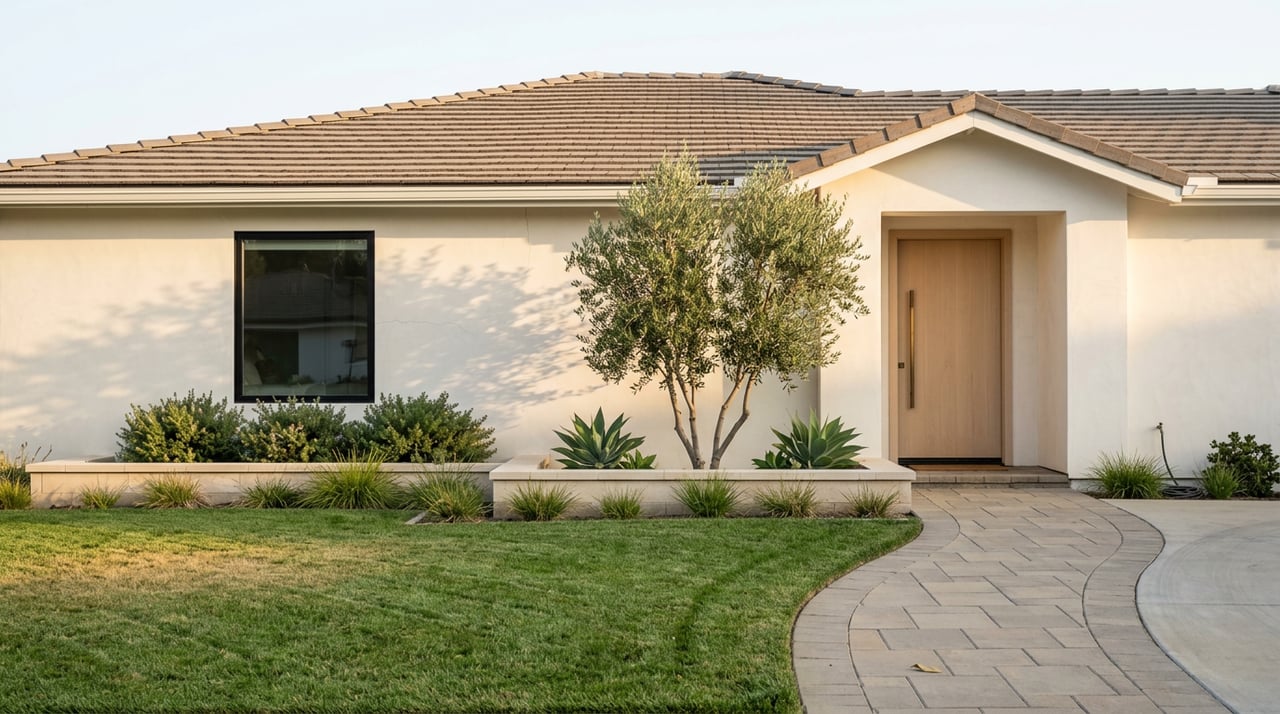
How Mello-Roos taxes split Carlsbad into two cost tiers, from Bressi Ranch and La Costa to Aviara and the Village, and what it means for your 2026 monthly payment.

Explore coastal living in Del Mar, Solana Beach, and Coronado and discover what makes each San Diego community unique.
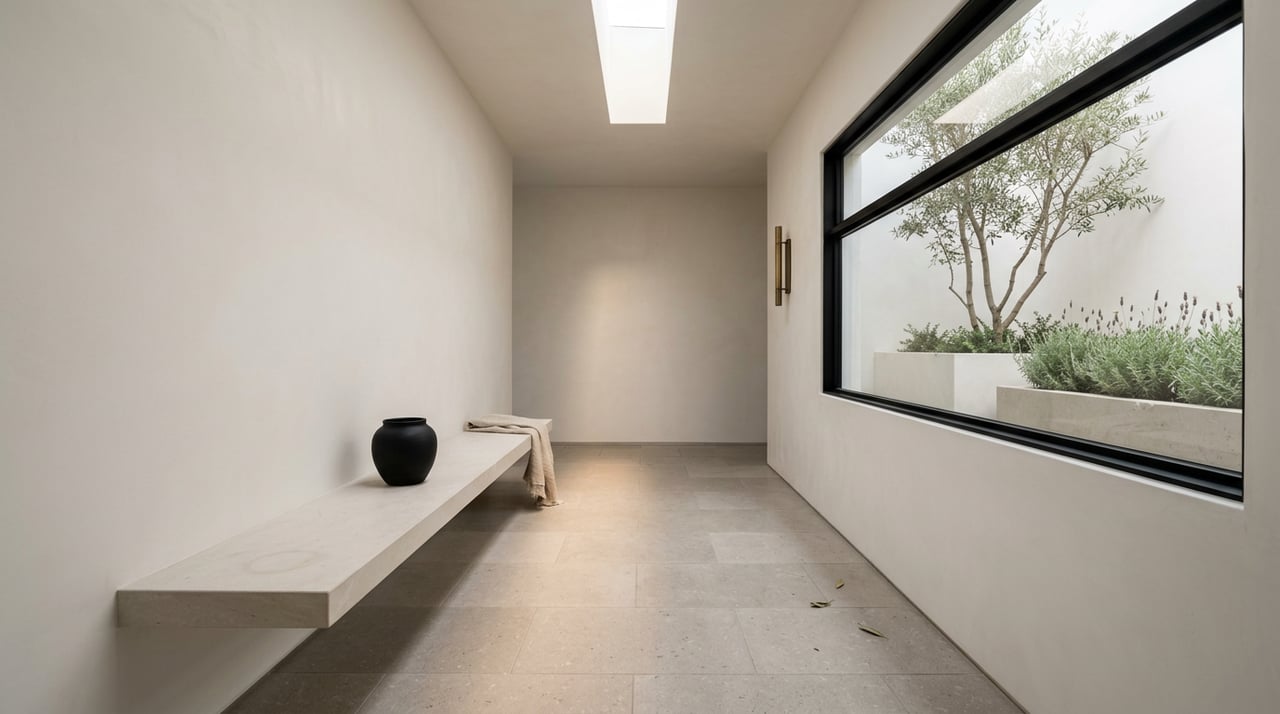
How summer 2026 in San Marcos runs on three weeknight anchors: Live at the Lake, the Wood House concert series, and North City's Tuesday rhythm.

Learn how thoughtful preparation and strategic positioning can help showcase your home's unique character before it goes on the market.
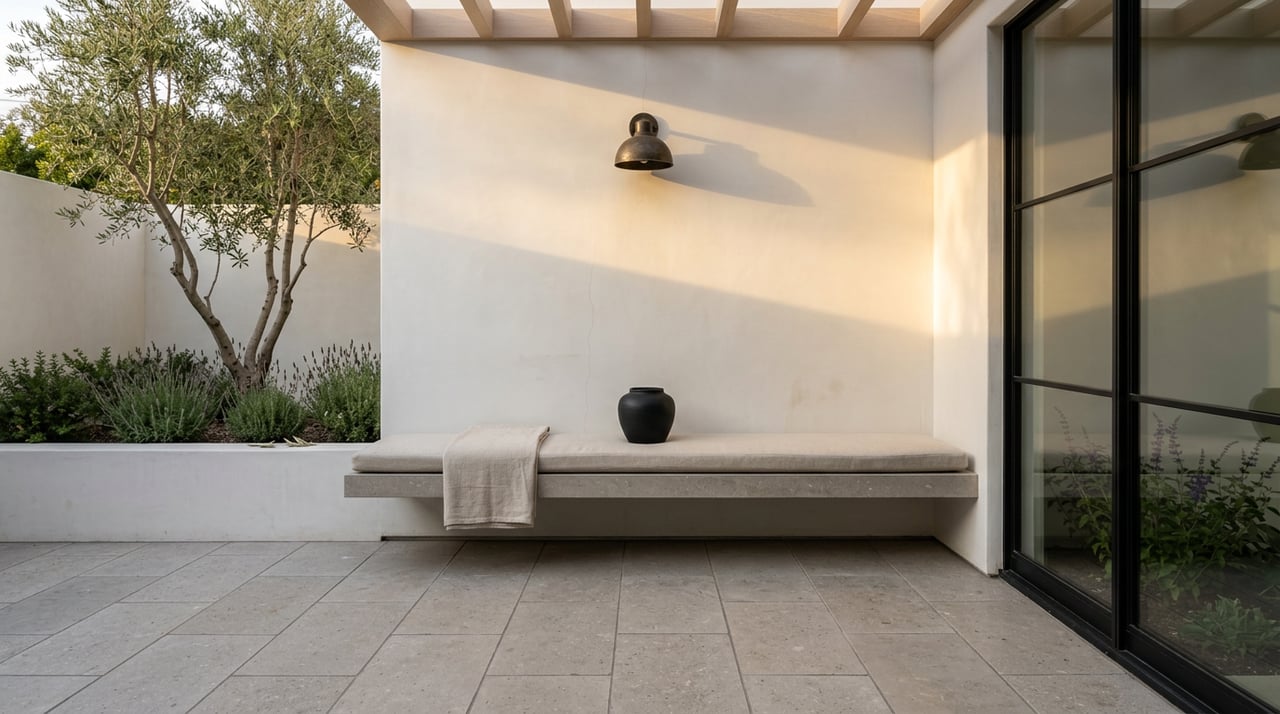
A resident's guide to how the 2026 Del Mar summer actually runs, from the new Friday post time and the August 22 Pacific Classic to three new dinner rooms on Camino De… Read more

How innovation, data, and personalized service are elevating the modern luxury buying and selling experience.
Discover what luxury feels like in Cardiff-by-the-Sea, from ocean views to walkable coastal living, and explore what sets this market apart.
Our team is ready to listen, strategize, and provide the support you need for a successful journey. Let’s start a conversation, understand your vision, and work together to achieve results that exceed expectations.

Agency West
16950 Via De Santa Fe Ste 5060-168
Rancho Santa Fe CA 92067
Contact Broker-of-Record
Hilary Saunders
Corporate License No. 02014153
[email protected]