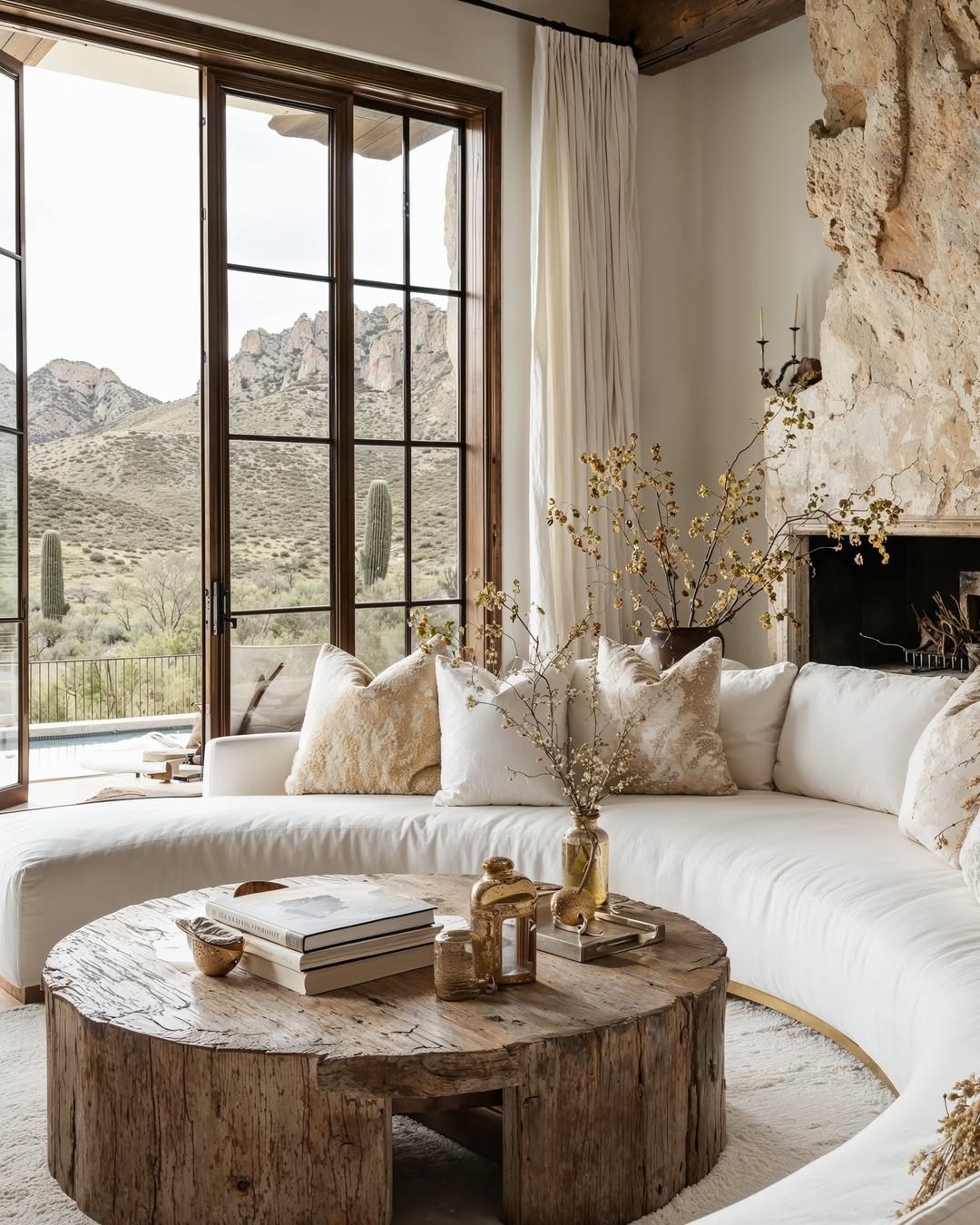
The Intersection of Art and Architecture in Southern California Luxury Homes
Amy Ali September 7, 2026
Amy Ali September 7, 2026
A remarkable home can do more than provide a place to live. Through architecture, materials, light, and art, it can create an experience that feels deeply personal.
In Southern California, where indoor-outdoor living, natural surroundings, and diverse architectural styles shape the residential landscape, the relationship between art and architecture can become an important part of a home's identity. A carefully positioned sculpture can transform a courtyard. Natural light can change the character of a painting throughout the day. Thoughtful architecture can create spaces where a collection feels integrated rather than simply displayed.
When these elements work together, a home begins to feel less like a backdrop for art and more like part of the composition itself.
Architecture establishes the framework through which a home is experienced.
Ceiling heights, proportions, sightlines, wall space, materials, and transitions between rooms all influence how art interacts with its surroundings. In a thoughtfully designed home, these architectural elements can create moments of visual interest even before artwork is introduced.
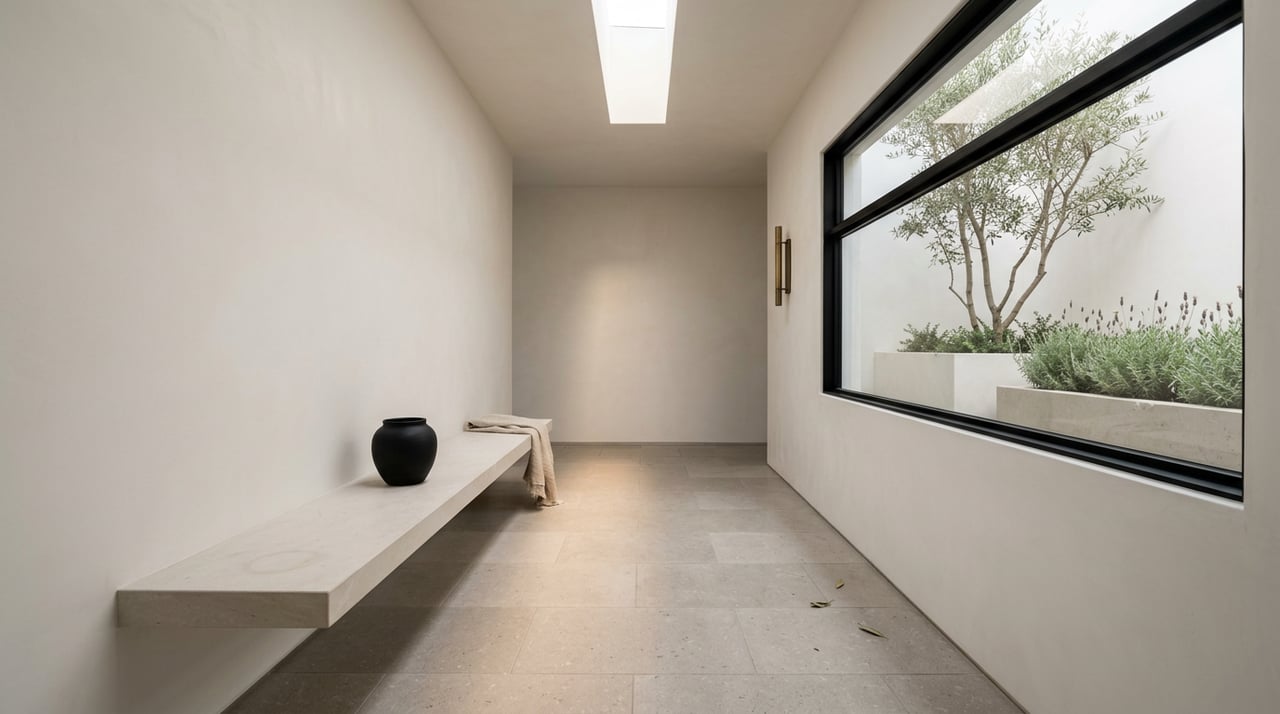
A long corridor may provide a natural setting for a collection. A sculptural staircase can become a focal point of its own. Expansive glass can frame the landscape almost like a living work of art.
The most compelling spaces often allow architecture and art to complement one another without either competing for attention.
Light is one of the most important elements connecting art and architecture.
Large windows and open spaces can fill a home with natural light, but the way that light moves throughout the day can dramatically affect how artwork, materials, and colors are perceived.
Artificial lighting also plays an important role. Depending on the property and collection, carefully considered lighting can help highlight artwork while supporting the atmosphere of the surrounding room.
For buyers who own or plan to develop an art collection, it can be useful to consider:
These considerations can help buyers understand whether a property provides the right environment for the pieces that matter to them.
Art does not have to hang on a wall to influence the character of a home.
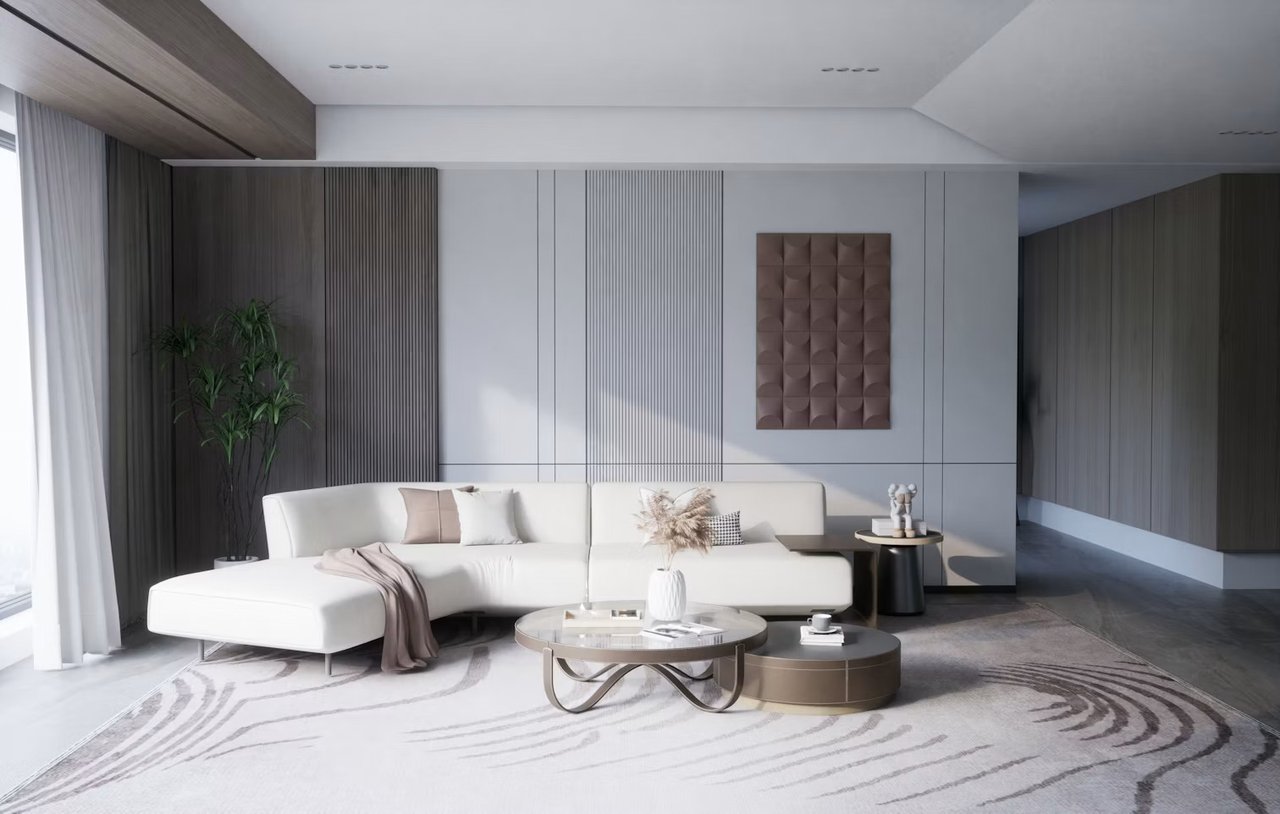
Stone, wood, metal, plaster, glass, and other materials can introduce texture, contrast, and craftsmanship throughout a residence. Their color, scale, finish, and placement contribute to the home's overall visual language.
A stone wall can function as both an architectural feature and a dramatic backdrop. Warm wood can soften contemporary lines. Metal details can introduce contrast, while textured surfaces can add depth to otherwise minimal spaces.
When materials are selected and combined thoughtfully, architecture itself can provide many of the visual qualities we associate with art: composition, texture, proportion, rhythm, and contrast.
For an art collector, evaluating a home may involve considerations that extend beyond traditional property features.
The question is not simply whether there is enough wall space. It is also whether the architecture allows a collection to be experienced naturally.
A large-scale piece may require significant viewing distance. Sculpture may benefit from an open room, entryway, courtyard, or landscaped setting. Smaller works may feel more intimate in corridors, libraries, offices, or other contained spaces.
The relationship between rooms matters as well. Thoughtful sightlines can allow art to reveal itself gradually as someone moves through the property, creating a sense of discovery.
For buyers with established collections, considering these details during the home search can help identify properties that complement both their lifestyle and the art they value.
Southern California's relationship with outdoor living introduces another dimension to the connection between art and architecture.
Courtyards, terraces, gardens, pools, and other exterior areas can function as extensions of the home's interior spaces. Depending on the property, these areas may also provide opportunities to incorporate sculpture, landscape design, water features, or architectural elements into the overall composition.
Large windows and glass doors can strengthen this relationship by creating visual connections between interior art, architecture, and the landscape beyond.
The result can be an experience in which the boundaries between home, art, and environment feel increasingly fluid.
The relationship between art and architecture does not belong exclusively to contemporary homes.
A residence with historic architectural character can provide an equally compelling environment for art. Original materials, distinctive proportions, decorative details, and craftsmanship can create a rich backdrop for both traditional and contemporary collections.
In some homes, contrast becomes part of the appeal. Contemporary artwork within a more traditional interior can create visual tension, while carefully selected pieces can also reinforce the architectural language already present.
Rather than following a single formula, successful combinations often come from understanding the character of the home and allowing the art to respond to it.
For buyers who value art and design, viewing a property through this lens can reveal qualities that may not appear in a standard list of features.
Instead of looking only at bedrooms, bathrooms, and square footage, consider how the home makes you move, look, and feel.
Where does your eye naturally travel when you enter? Which architectural elements become focal points? How does the light change from room to room? Where could meaningful pieces live comfortably? How does the landscape contribute to the visual experience?
These questions can provide another way to understand whether a property feels personally significant.
The most memorable homes often have a clear sense of identity.
That identity may come from extraordinary architecture, meaningful artwork, beautiful materials, a strong connection to the landscape, or the way all of those elements interact.
For buyers exploring distinctive homes throughout Southern California, Agency West provides personalized real estate guidance that considers not only the physical attributes of a property, but also how its architecture, setting, and lifestyle align with what matters most to the buyer.
Because when a home provides the right setting for the things you value, it becomes more than a collection of rooms. It becomes a deeply personal expression of how you choose to live.
Architecture influences wall space, ceiling height, natural light, sightlines, and how people move through a home. These elements can affect where artwork can be displayed and how it is experienced.
Beyond traditional property features, collectors may want to consider natural and artificial lighting, wall dimensions, ceiling heights, viewing distances, circulation, and spaces suitable for sculpture or larger works.
Depending on the artwork and property, courtyards, gardens, terraces, and other exterior spaces may provide settings for pieces designed or suitable for outdoor display.
No. Contemporary, traditional, and historic architecture can all provide compelling settings for artwork. The relationship between the collection and the character of the property is more important than following a particular architectural style.
Consider available display space, lighting, proportions, sightlines, circulation, and how the architecture interacts with existing or future pieces. For valuable or sensitive works, specialized art professionals can provide guidance on conservation, installation, lighting, and environmental requirements.
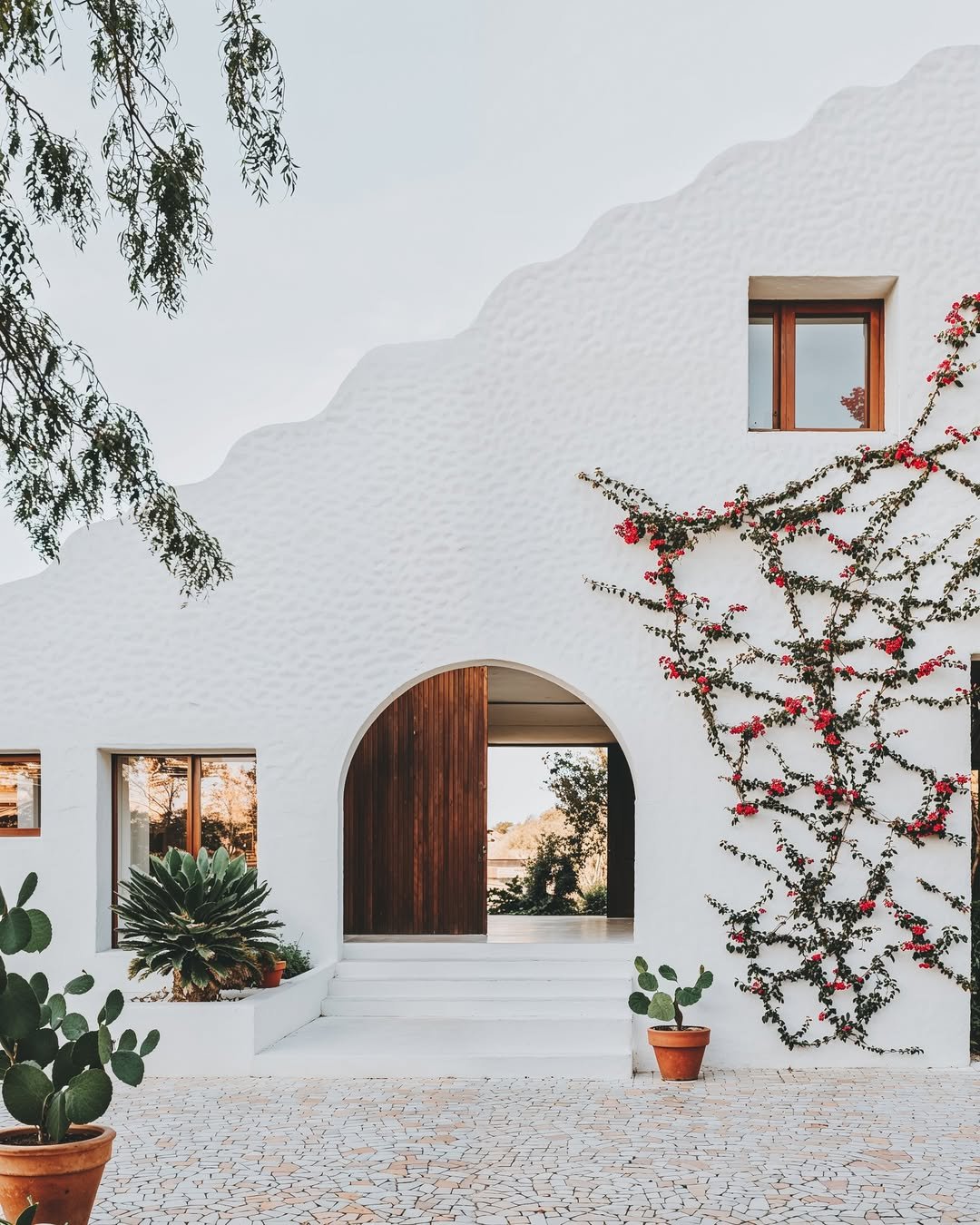
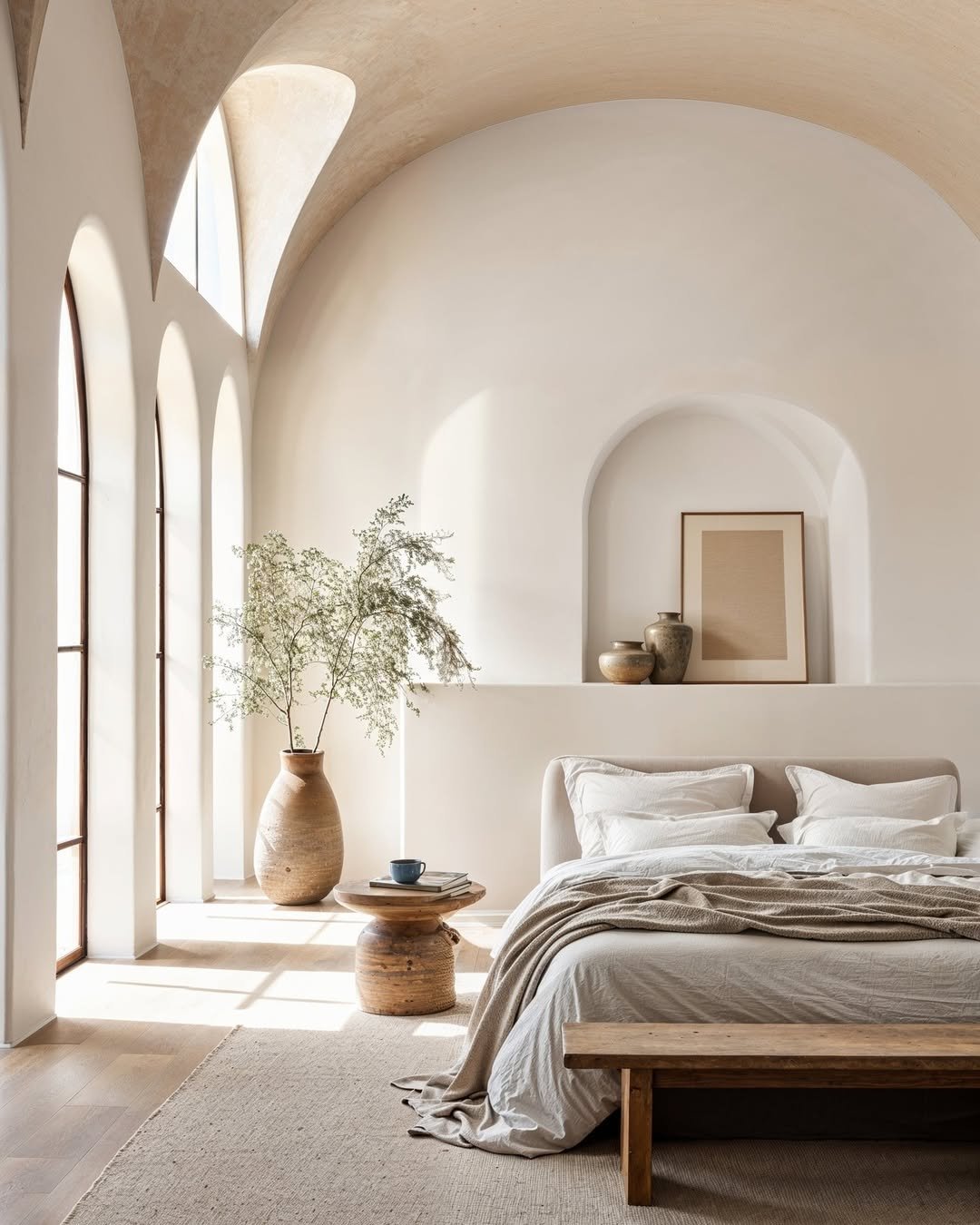
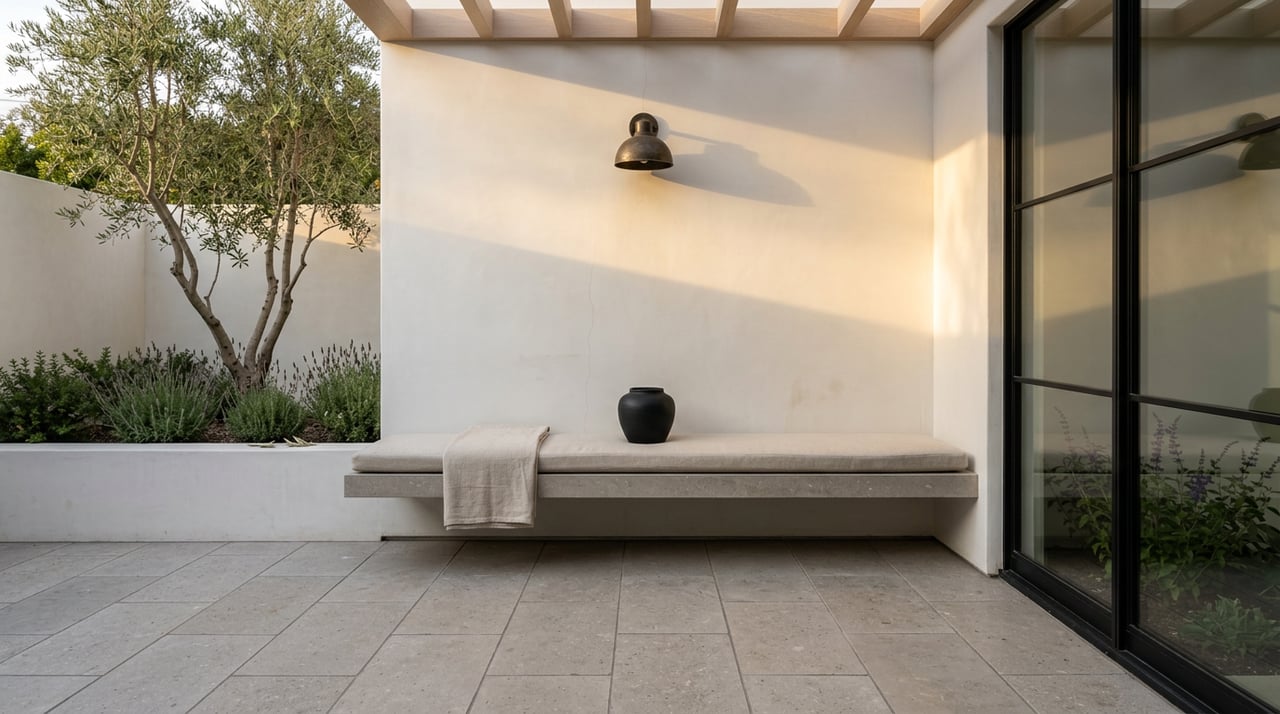
Photo by @aifordesigners_ — via Instagram
Stay up to date on the latest real estate trends.
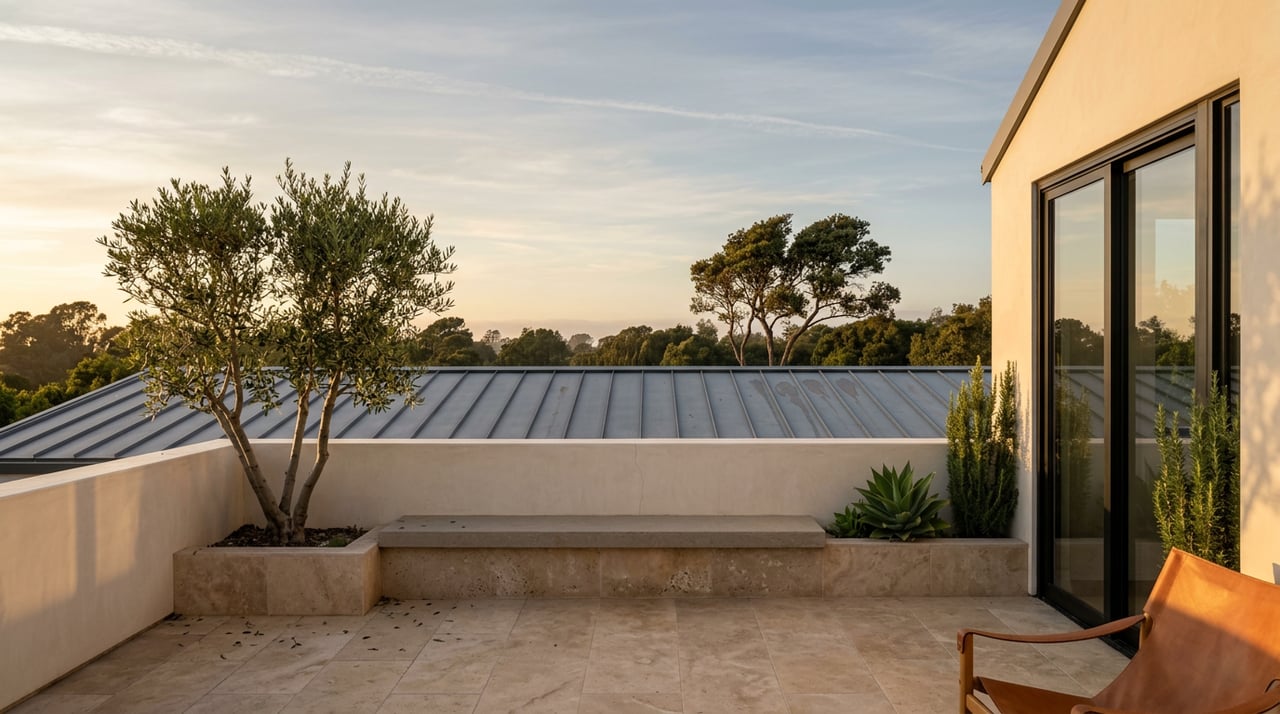
Explore how art, architecture, natural light, materials, and indoor-outdoor living can shape the experience of Southern California luxury homes.
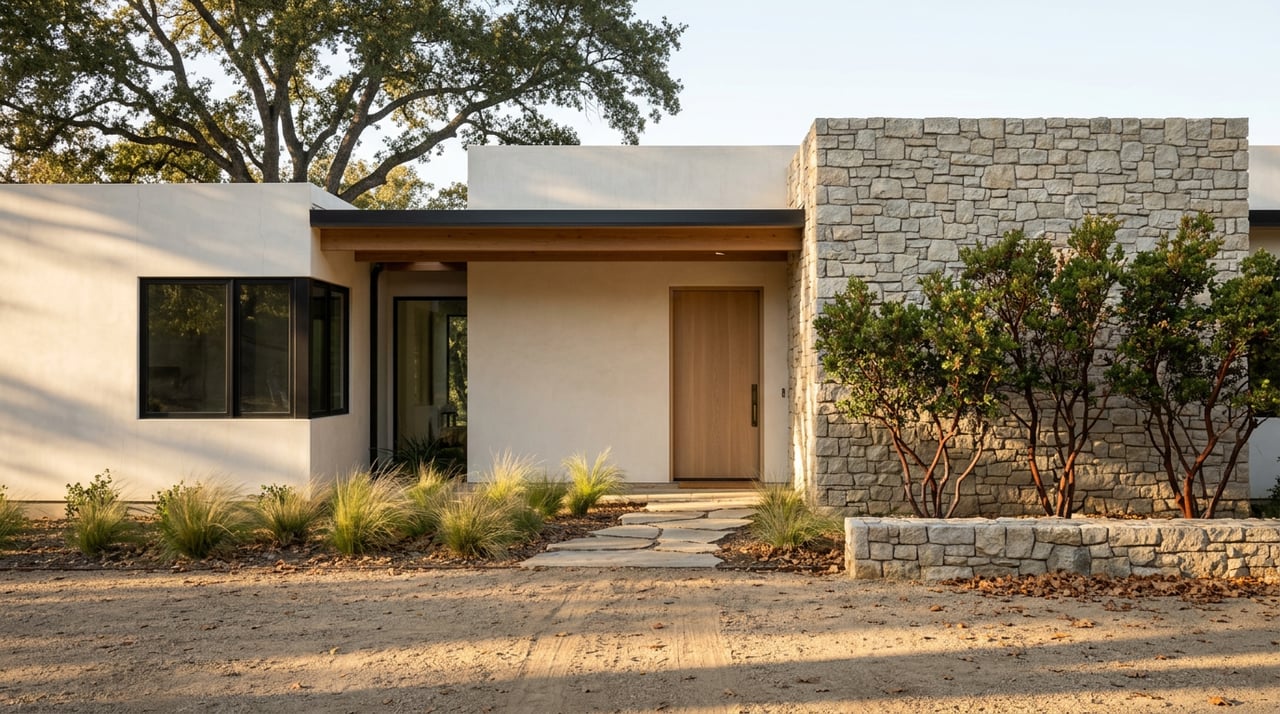
Explore what to consider beyond price when buying a luxury home, from architecture and privacy to location, land, and lifestyle fit.
How Mello-Roos taxes split Carlsbad into two cost tiers, from Bressi Ranch and La Costa to Aviara and the Village, and what it means for your 2026 monthly payment.

Explore coastal living in Del Mar, Solana Beach, and Coronado and discover what makes each San Diego community unique.
How summer 2026 in San Marcos runs on three weeknight anchors: Live at the Lake, the Wood House concert series, and North City's Tuesday rhythm.
Learn how thoughtful preparation and strategic positioning can help showcase your home's unique character before it goes on the market.
Our team is ready to listen, strategize, and provide the support you need for a successful journey. Let’s start a conversation, understand your vision, and work together to achieve results that exceed expectations.

Agency West
16950 Via De Santa Fe Ste 5060-168
Rancho Santa Fe CA 92067
Contact Broker-of-Record
Hilary Saunders
Corporate License No. 02014153
[email protected]